Sunroof Glass Replacement Costs 2025
Written by craig braddick

Sunroof Glass Replacement Costs

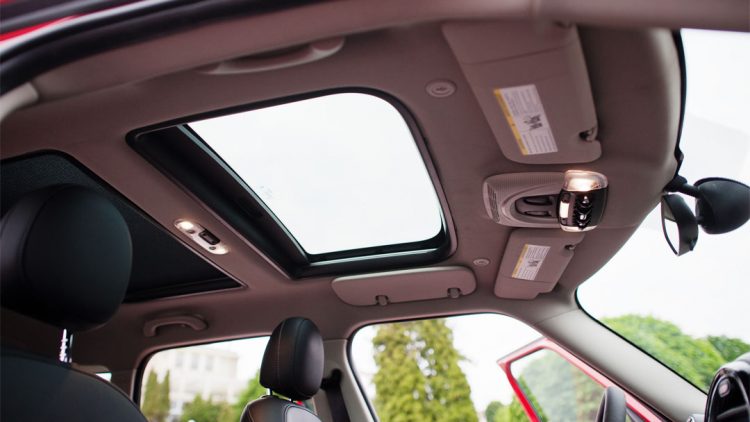
The cost of sunroof glass replacement can vary depending on several factors, including the make and model of the vehicle, the type of sunroof, the size of the glass panel, and whether it’s a factory-installed or aftermarket sunroof. On average, the cost of replacing sunroof glass ranges from $300 to $1,000 or more.

Here are some factors that can influence the cost of sunroof glass replacement:

  1. Vehicle Make and Model: Luxury or high-end vehicles may have more expensive sunroof glass due to factors such as proprietary designs, specialized features, or limited availability. Conversely, sunroof glass for mainstream or older vehicles may be more affordable.
  2. Type of Sunroof: Sunroofs come in various types, including pop-up, tilt-and-slide, panoramic, and moonroof styles. The complexity of the sunroof mechanism and the size and shape of the glass panel can affect the replacement cost.
  3. Factory vs. Aftermarket: Factory-installed sunroofs often use OEM (Original Equipment Manufacturer) glass, which may be more expensive than aftermarket options. However, aftermarket sunroof glass can vary in quality and may be available at lower prices.
  4. Labor Costs: The cost of labor for sunroof glass replacement can vary depending on the shop’s hourly rates, the technician’s experience, and the complexity of the installation process. Some shops may charge a flat rate for installation, while others may charge based on the hours worked.
  5. Additional Parts and Materials: In addition to the glass panel itself, other parts and materials may be needed for the replacement, such as seals, gaskets, trim pieces, and adhesives. These additional components can add to the overall cost of the repair.
  6. Location: Labor rates and overall living costs can vary depending on your location. Urban areas or regions with higher living expenses may have higher labor rates, which can affect the total cost of sunroof glass replacement.
  7. Warranty Coverage: If the vehicle is still under warranty, the cost of sunroof glass replacement may be partially or fully covered by the manufacturer. Be sure to check the terms of your warranty coverage before proceeding with the repair.

When considering sunroof glass replacement, it’s essential to obtain quotes from multiple auto glass shops or dealerships, compare the services offered, and inquire about any warranties or guarantees on the replacement glass. Additionally, be sure to choose a reputable and experienced technician to ensure proper installation and a watertight seal.

T&S Auto Glass Offers Sunroof Replacement In Chandler, Arizona

T&S Auto Glass Offers Sunroof Replacement in Chandler, Arizona and surrounding areas. When your vehicle’s sunroof or moonroof needs replacing the professionals at T&S Auto Glass are here to help you with their top-quality customer service. Call us today to schedule an appointment! We also offer windshield replacement and auto glass replacement, and mobile glass services.

Why TSautoglass.com Is The Best In The Phoenix Valley FWhy TSautoglass.com Is The Best In The Phoenix Valley For Windshield Replacement
Written by craig braddick

Rear Window Replacement Costs 2024

The cost of rear window replacement can vary depending on several factors, including the make and model of the vehicle, the type of rear window (e.g., tempered glass, heated glass), any additional features (e.g., defroster), and whether you choose OEM or aftermarket replacement parts. Here are some factors to consider when estimating rear window replacement costs:

1. Type of Rear Window:

  • Tempered Glass: Most rear windows are made of tempered glass, which is designed to shatter into small, blunt pieces for safety reasons. Replacement costs for tempered glass rear windows may be lower compared to other types.
  • Heated Glass: If your vehicle’s rear window has a built-in defroster or heating element, replacement costs may be higher due to the added complexity of the installation and the cost of the heating element.

2. Make and Model of Vehicle:

  • Luxury Vehicles: Rear window replacement costs may be higher for luxury vehicles or vehicles with specialized features due to the higher cost of parts and labor.

3. OEM vs. Aftermarket Parts:

  • OEM Parts: Original equipment manufacturer (OEM) rear windows are designed to match the specifications of your vehicle and may offer better fit and quality. However, OEM parts tend to be more expensive compared to aftermarket alternatives.
  • Aftermarket Parts: Aftermarket rear windows may be more affordable but could vary in quality and fit. Some aftermarket options may offer a good balance between cost and quality.

4. Labor Costs:

  • Professional Installation: Hiring a professional auto glass technician or repair shop for rear window replacement will involve labor costs, which can vary based on the hourly rate of the shop and the complexity of the installation.

5. Additional Considerations:

  • Sealant and Adhesive: Replacement rear windows may require sealant and adhesive for proper installation. These materials may be included in the overall cost or charged separately.
  • Tinting: If your vehicle’s rear window had tinting that needs to be replaced, tinting costs may add to the total replacement cost.

Cost Estimates:

  • Average Range: Rear window replacement costs can range from $200 to $1000 or more, depending on the factors mentioned above and the specific requirements of your vehicle.
  • Specific Factors: For example, the cost of replacing a rear window on a standard vehicle with tempered glass and no additional features may range from $200 to $500, while the cost for a luxury vehicle with heated glass and OEM parts may range from $500 to $1000 or more.

For an accurate estimate, it’s recommended to consult with a reputable auto glass repair shop or technician, who can assess the damage to your rear window, recommend the appropriate replacement option, and provide a detailed cost estimate based on your vehicle’s make and model and your specific preferences.

T&S Auto Glass Offers Rear Window Replacement In Chandler, Arizona

T&S Auto Glass Offers Rear Window Replacement in Chandler, Arizona and surrounding areas. When your vehicle’s rear window needs replacing the professionals at T&S Auto Glass are here to help you with their top quality customer service. Call us today to schedule an appointment! We also offer windshield replacement.

Power Window Repair Costs 2025
Written by craig braddick

Power Window Repair Costs 2024

The cost of power window repair can vary depending on several factors, including the extent of the damage, the make and model of the vehicle, the availability of replacement parts, and whether you choose to DIY or hire a professional. Here are some factors to consider when estimating power window repair costs:

1. Nature of the Problem:

  • Window Regulator: If the issue is with the window regulator, which is responsible for raising and lowering the window, repair costs can vary based on the extent of damage and whether the regulator needs to be repaired or replaced.
  • Window Motor: If the window motor is faulty, repair costs may involve replacing the motor itself. Motor replacement costs can vary depending on the make and model of the vehicle and the complexity of the installation process.
  • Window Switch: Issues with the window switch or control panel may require replacement of the switch assembly. The cost will depend on the specific part needed and whether it requires labor for installation.

2. Labor Costs:

  • DIY vs. Professional: DIY repairs may save money on labor costs, but it requires technical skill and knowledge of automotive repair. Hiring a professional mechanic or auto technician will involve labor costs, which can vary based on the hourly rate of the repair shop and the complexity of the repair.

3. Replacement Parts:

  • OEM vs. Aftermarket Parts: Original equipment manufacturer (OEM) parts may be more expensive than aftermarket alternatives but are designed to match the specifications of your vehicle. Aftermarket parts may be more affordable but could vary in quality and compatibility.

4. Additional Considerations:

  • Diagnostic Fees: Some repair shops may charge a diagnostic fee to assess the problem with your power window system. This fee is typically applied toward the total repair cost if you choose to proceed with the repair.
  • Warranty Coverage: If your vehicle is still under warranty, some or all of the repair costs may be covered by the manufacturer.

Cost Estimates:

  • Average Range: Power window repair costs can range from $100 to $500 or more, depending on the nature of the problem, replacement parts needed, and labor costs.
  • Specific Repairs: For example, the cost of replacing a window motor may range from $150 to $300, while the cost of replacing a window regulator can range from $200 to $500 or more, including parts and labor.

DIY vs. Professional Repair:

  • DIY: DIY repairs may cost less in terms of labor but require technical expertise and access to tools. Online tutorials and repair manuals can help guide you through the process.
  • Professional: Hiring a professional ensures that the repair is done correctly and may offer warranties on parts and labor, but it comes with additional labor costs.

For an accurate estimate, it’s recommended to consult with a reputable auto repair shop or mechanic, who can assess the problem with your power window system and provide a detailed cost estimate based on your vehicle’s make and model, the required repairs, and local labor rates.

T&S Auto Glass Offers Power Window Repair in Phoenix

T&S Auto Glass Offers power window repair in Phoenix, Chandler and other areas. When your power window requires replacing the professionals at T&S Auto Glass are here to help you with their top quality service. Call us today to schedule an appointment! We also offer side window replacement.

Windshield Chips Repair Costs 2026
Written by craig braddick

Windshield Chips Repair Costs 2024

Windshield chips can be more than just cosmetic blemishes. They can compromise the structural integrity of your windshield, increasing the risk of cracks and potentially affecting your driving visibility. Thankfully, repairing them is usually a quick and affordable process. Here’s a breakdown of windshield chip repair costs:

Average Cost:

  • Nationally: $35
  • Range: $10 to $60

Factors Affecting Cost:

  • Chip size and type: Smaller chips (less than the size of a quarter) and simple cracks are generally cheaper to repair than larger, complex cracks or star breaks.
  • Location of the chip: Chips in the driver’s field of view or near the edges of the windshield might be slightly more expensive to repair due to increased precision required.
  • Mobile vs. in-shop service: Mobile services, where the technician comes to your location, often cost slightly more than bringing your car to a shop.
  • Additional features: Some repair kits offer UV protection or resin with sealant properties, which might increase the cost.

DIY vs. Professional Repair:

  • DIY kits: Can be cheaper, ranging from $15 to $30, but success depends on your skill and the kit’s quality. Improper repairs can worsen the damage or compromise safety.
  • Professional repair: Offers guaranteed results and ensures proper filling and sealing, minimizing the risk of cracks spreading and future replacements.

Additional Costs:

  • Multiple chips: Each additional chip typically incurs a separate fee, though some companies offer discounts for multiple repairs.
  • Insurance coverage: Some comprehensive insurance policies cover windshield chip repair, so check your policy details.

A chipped windshield can happen so fast you do not always see it at first.

Repairing a Chipped Vehicle Windshield

A chipped windshield shouldn’t be ignored! It can compromise the structural integrity and potentially spread into larger cracks, affecting visibility and safety. Repairing them, however, is often a quick and cost-effective option compared to full windshield replacement. Here are some details about repairing a chipped vehicle windshield:

Repair Options:

  • Professional repair: This is the most recommended option for guaranteed results and proper filling and sealing. Certified technicians at repair shops use specialized tools and resins to effectively fill the chip and prevent further damage.
  • DIY kits: While cheaper, these require skill and careful execution. Improper application can worsen the chip or compromise safety. Choose high-quality kits and follow instructions meticulously.

Repair Process (Professional):

  1. Cleaning and preparation: The area around the chip is cleaned thoroughly to remove dirt and debris.
  2. Resin injection: The technician injects a specialized resin into the chip under pressure, filling it completely.
  3. Curing: The resin is cured using ultraviolet light, hardening and bonding with the existing glass.
  4. Polishing (optional): In some cases, the repaired area might be polished for a smooth finish.

Factors Affecting Repair Success:

  • Chip size and type: Smaller chips and simple cracks have a higher success rate than larger, complex cracks or star breaks.
  • Depth of the chip: Deeper chips might require additional steps or specialized techniques.
  • Timely repair: Prompt repair prevents chips from spreading and simplifies the repair process.

Benefits of Professional Repair:

  • Guaranteed results: Reputable shops offer warranties on their repairs.
  • Safety and quality: Trained technicians ensure proper filling and sealing, minimizing the risk of cracks and future replacements.
  • Convenience: Mobile services can come to your location for added ease.

Do I Repair or Replace my Chipped Windshield?

Factors favoring repair:

  • Small chip size: Generally, chips smaller than a quarter (or the size of a US dime) are repairable.
  • Simple crack: Cracks with minimal branching or complexity can often be effectively filled.
  • Location: Chips outside the driver’s field of view and away from the edges are typically safe to repair.
  • Cost: Repair is significantly cheaper than replacement, usually ranging from $35 to $60.

Factors favoring replacement:

  • Large or complex chip: Chips exceeding the size of a quarter, star breaks, or cracks with significant branching might compromise the windshield’s structural integrity and require replacement.
  • Location: Chips directly in the driver’s line of sight or near the edges can significantly impact visibility and driving safety, necessitating replacement.
  • Depth of the chip: Chips that penetrate deeply into the inner layer of the windshield might not be effectively sealed with repair, leaving the risk of moisture intrusion and further damage.
  • Multiple chips: Extensive windshield damage with numerous chips or cracks might be more cost-effective to address through replacement.
  • Visibility concerns: If the chip significantly distorts your vision or creates glare, replacement ensures optimal clarity and safety.

Advantages of Windshield Chip Repair

Repairing a chipped windshield offers several advantages compared to opting for a full replacement, making it a worthwhile choice in many cases. Here are some key benefits to consider:

Cost-Effective:

  • Significantly cheaper: Repairing a chip typically costs between $35 and $60, while replacement can run into hundreds or even thousands of dollars.

Preserves Original Windshield:

  • Maintains factory calibration: Repairing the existing windshield avoids the need for recalibration of sensors and cameras mounted on the windshield, saving time and potential calibration costs.
  • Retains original seal: No risk of leaks or improper installation associated with replacing the entire windshield.

Quick and Convenient:

  • Fast process: Repairs can often be completed within 30 minutes to an hour, allowing you to get back on the road quickly.
  • Mobile services available: Some companies offer mobile repair services, saving you the hassle of bringing your car to a shop.

Safety and Structural Integrity:

  • Prevents cracks from spreading: Prompt repair fills and seals the chip, minimizing the risk of the damage worsening and compromising the windshield’s structural integrity.
  • Maintains visibility: Repairs restore optical clarity in most cases, ensuring optimal driving safety.

Environmental Benefits:

  • Reduces waste: Repairing the existing windshield reduces the need for disposal and manufacturing of a new one, contributing to a smaller environmental footprint.

Peace of Mind:

  • Guaranteed results: Many reputable repair shops offer warranties on their work, providing peace of mind knowing the chip is fixed properly.

T&S Auto Glass Offers Windshield Chip Repair in Chandler

For auto windshield chip repair in Chandler, call us today to schedule an appointment! We also offer windshield replacement.

Zero Deductible WindsZero Deductible Windshield Replacement Arizona 2025
Written by craig braddick

Zero Deductible Windshield Replacement Arizona 2024

What is zero deductible windshield replacement?

It’s an insurance coverage add-on that eliminates your deductible for windshield replacements covered under your comprehensive insurance policy. This means you wouldn’t pay any out-of-pocket expense when getting your windshield replaced, making it a seemingly attractive option.

How does it work?

  1. You add the zero deductible coverage to your existing comprehensive insurance policy.
  2. If your windshield gets damaged and qualifies for coverage (e.g., not caused by vandalism or negligence), you file a claim with your insurance company.
  3. The insurance company covers the entire cost of windshield replacement, without requiring you to pay your usual deductible.
  4. You choose a qualified repair shop within your insurance company’s network (might be limited options).

Sounds great, right? But there are some things to consider:

Pros:

  • No out-of-pocket expense: Saves you money when you need a windshield replacement.
  • Convenience: Streamlined process with less paperwork and hassle.
  • Peace of mind: Knowing you’re fully covered can be reassuring.

Cons:

  • Increased insurance premium: This add-on coverage comes at an additional cost, which might outweigh the savings from avoiding a deductible in the long run, especially if you rarely encounter windshield damage.
  • Limited network: You might be restricted to using repair shops within your insurance company’s network, potentially limiting your choice and convenience.
  • Potential impact on policy renewal: Some insurance companies might view frequent windshield claims (even under zero deductible coverage) negatively, potentially affecting your policy renewal rates.

Is it worth it?

It depends on your individual circumstances and driving habits. Consider these factors:

  • Frequency of windshield damage: If you live in an area prone to falling debris or hailstorms, or if you frequently drive on gravel roads, zero deductible coverage might be beneficial.
  • Cost of the add-on vs. your deductible: Compare the annual cost of the coverage to your typical deductible amount. If the savings from avoiding the deductible outweigh the additional premium, it might be worth it.
  • Your risk tolerance: Are you comfortable paying a higher premium for the peace of mind of no out-of-pocket expense, even if you might not utilize it frequently?

Ultimately, the decision of whether or not to opt for zero deductible windshield replacement is a personal one. Weigh the pros and cons carefully, consider your driving habits and budget, and compare quotes from different insurance providers to find the best deal that suits your needs.

What States Have Free Windshield Replacements

The term “free windshield replacements” can be a bit misleading, as there aren’t actually any states where windshield replacements are completely free for drivers. However, there are three states with laws that offer significant benefits when it comes to replacing damaged windshields:

1. Florida:

  • Full glass coverage: Florida requires most comprehensive insurance policies to include “full glass coverage” with no deductible for windshield and other car glass replacements. This means drivers covered under comprehensive insurance wouldn’t pay anything out-of-pocket for windshield replacements.

2. Kentucky:

  • Zero deductible glass coverage: Similar to Florida, Kentucky mandates most comprehensive insurance policies to include zero deductible coverage for windshield and other car glass replacements. Drivers with comprehensive coverage wouldn’t incur any out-of-pocket expenses.

3. South Carolina:

  • Deductible waiver for safety glass: Unlike Florida and Kentucky, South Carolina doesn’t have a mandatory full glass coverage requirement. However, the state law allows insurance companies to offer optional “deductible waiver” coverage for safety glass, including windshields. If drivers choose this add-on and have comprehensive insurance, they wouldn’t pay their deductible for windshield replacements.

It’s important to note that even in these states, some factors can influence whether windshield replacements are truly “free”:

  • Comprehensive insurance requirement: Drivers need to have comprehensive insurance coverage to benefit from these laws.
  • Policy details: Specific policy terms and conditions might apply, so always check your insurance documents carefully.
  • Network restrictions: Some insurance companies might limit eligible repair shops to their network, potentially affecting options and convenience.

Therefore, while these states offer significant advantages for windshield replacements compared to others, it’s not entirely accurate to call them “free.” However, they certainly provide attractive options for drivers looking for minimal out-of-pocket expenses when dealing with cracked or shattered windshields.

If you are looking for windshield replacement in Tempe, Arizona, look no further than TS Auto Glass. Call Today – (480) 345-8990 

Removing Dry Mud From Car Windows
Written by craig braddick

Dealing With a Smashed Car Window

Dealing with a smashed car window can be a stressful and inconvenient situation, whether it’s due to vandalism, an accident, or other reasons. Here are the steps to follow if you find yourself with a smashed car window:

  1. Ensure Safety: Prioritize safety for yourself and any passengers in the vehicle. If the window was smashed during an accident or collision, check for injuries and call for medical assistance if necessary.

  2. Contact Authorities: If the window was smashed as a result of a break-in or vandalism, report the incident to the local police. They may need to investigate or file a report for insurance purposes.

  3. Assess the Damage: Evaluate the extent of the damage. Is it just a window, or is there additional damage to the vehicle, such as the interior or other parts? Take pictures of the damage for documentation.

  4. Secure Your Vehicle: If the window is completely shattered, you’ll want to secure your vehicle to prevent further damage or theft. Here’s how:

    • If you have a tarp or plastic sheet, cover the open window to protect the interior from rain, wind, or debris.
    • If the window is partially intact, use clear packing tape or duct tape to hold the window together temporarily.
  5. Retrieve Personal Items: If you can safely do so, remove any valuable or personal items from the vehicle, especially if the window was smashed due to theft. Be cautious not to touch any broken glass with your bare hands.

  6. Call Your Insurance Company: Contact your auto insurance provider to report the damage. They will guide you through the claims process and provide information on how to get the window repaired or replaced. Make sure to ask about coverage and deductible details.

  7. Choose a Repair Option: You have a few options for replacing the smashed window:

    • Auto Glass Repair Shop: Contact a professional auto glass repair shop to schedule a repair or replacement. They will assess the damage and provide a quote.
    • Mobile Glass Service: Some auto glass repair companies offer mobile services, where they come to your location to replace the window.
    • DIY Temporary Fix: If you need a temporary solution until you can reach a repair shop, you can purchase a window repair kit to seal the opening.
  8. Schedule the Repair: Once you’ve chosen a repair option, schedule the repair or replacement for the smashed window. Make sure to confirm the cost, time, and any additional details with the service provider.

  9. File a Police Report (if applicable): If your window was smashed due to a crime, follow up with the police report and provide any additional information or documentation needed for an investigation.

  10. Prevent Future Incidents: Consider steps to reduce the risk of future vandalism or break-ins, such as parking in well-lit areas, using a car alarm, or installing security cameras.

Dealing with a smashed car window can be frustrating, but by following these steps and working with your insurance company and an auto glass repair service, you can get your vehicle back in good condition.


Removing Dry Mud From Car Windows
Written by craig braddick

Can Water Stain Car Windows?

Water alone does not typically stain car windows, as it is a relatively inert and pure substance. However, water can leave mineral deposits or water spots on car windows under certain conditions, which may create the appearance of stains. These water spots are usually caused by the minerals or impurities present in the water and can be a result of:

  1. Hard Water: Hard water contains dissolved minerals, primarily calcium and magnesium. When hard water dries on car windows, it can leave behind these minerals in the form of spots. These spots can be particularly noticeable if you live in an area with hard water or if you frequently wash your car with tap water.
  2. Mineral Buildup: Over time, the accumulation of minerals from repeated exposure to hard water can create stubborn water spots on car windows. These spots can be difficult to remove if not addressed promptly.
  3. Rain or Irrigation Water: Rainwater and irrigation water can also contain minerals, and when these waters evaporate on your car’s windows, they can leave behind mineral deposits or water spots.

To prevent and remove water spots from car windows, consider the following tips:

  1. Use Distilled Water: When washing your car or cleaning the windows, use distilled water, which is free from minerals and less likely to leave spots.
  2. Regular Cleaning: Clean your car’s windows regularly to remove any water spots before they become difficult to remove.
  3. Use a Water Spot Remover: Commercial water spot removers are available and can help dissolve and remove mineral deposits. Follow the product’s instructions for best results.
  4. Vinegar Solution: A solution of white vinegar and water can be effective in removing water spots. Mix equal parts of vinegar and water, apply it to the affected areas, let it sit for a few minutes, and then wipe it clean.
  5. Rubbing Alcohol: Rubbing alcohol can also be used to remove water spots. Apply it to a cloth or sponge and gently rub the affected areas.
  6. Rinse and Dry: After washing your car or using any cleaning solutions, be sure to rinse the windows thoroughly and dry them with a clean, lint-free cloth or microfiber towel to prevent water spots from forming during the drying process.

Preventing water spots on car windows through regular cleaning and the use of purified water can help maintain the clarity and appearance of your vehicle’s glass surfaces.

Cleaning car windows effectively is crucial for safe driving and visibility. Here’s a step-by-step guide on the best way to clean car windows:

Materials You’ll Need:

  1. Glass cleaner (commercial or homemade)
  2. Microfiber or lint-free cleaning cloths
  3. A bucket of clean water
  4. Soft-bristle brush (optional)
  5. Old newspaper (optional)
  6. Plastic scraper (for stubborn residue, optional)

Steps:

  1. Choose the Right Time: Avoid cleaning your car windows in direct sunlight or on a hot day. High temperatures can cause the cleaner to evaporate quickly, leaving streaks and making it more challenging to clean effectively. Choose a shaded or cooler location if possible.
  2. Prepare Your Cleaning Solution:
    • You can use a commercial glass cleaner or make your own by mixing equal parts water and white vinegar or water and isopropyl alcohol.
    • Add the solution to a spray bottle for easy application.
  3. Start with Dry Dusting (Optional): If your car’s windows are particularly dirty, you can start by gently dry dusting with a soft-bristle brush to remove loose dirt and debris.
  4. Spray the Glass Cleaner:
    • Spray the cleaning solution directly onto the window’s surface. Be generous but avoid overspraying to prevent streaking.
    • If you’re concerned about overspray onto the car’s paint or trim, you can spray the cleaner onto your cloth instead.
  5. Wipe with a Cloth:
    • Use a microfiber or lint-free cleaning cloth to wipe the glass. Work in straight, overlapping motions rather than in circles, which can create streaks.
    • Use a separate cloth for the interior and exterior to prevent cross-contamination.
  6. Dry with a Clean, Dry Cloth (Optional): To prevent streaks, use a separate clean and dry cloth to wipe the glass again. Make sure it’s free of lint.
  7. Use Old Newspaper (Optional): Some people find that using crumpled old newspaper for the final wipe can help eliminate streaks and leave the glass sparkling. This is an old trick that can be quite effective.
  8. Check for Streaks and Residue: Inspect the windows for streaks or residue. If you notice any, reapply the cleaning solution and wipe again with a clean cloth.
  9. Address Stubborn Residue: For stubborn residue like tree sap or adhesive, you can use a plastic scraper with a gentle touch. Be careful not to scratch the glass. Apply a little extra cleaning solution to help loosen the residue.
  10. Clean the Edges and Seals: Don’t forget to clean the edges of the windows and the seals, as dirt and grime can accumulate there.
  11. Repeat for All Windows: Repeat the process for all the windows, including the front and rear windshields and side windows.
  12. Interior Windows: Clean the interior windows using the same process. Be mindful of any tinting on the windows and avoid abrasive cleaners that could damage it.

Remember that clean windows contribute to safer driving by ensuring better visibility. Regular maintenance and cleaning can also help preserve the life of your car’s glass.

Removing Dry Mud From Car Windows
Written by craig braddick

What Is The Best Way To Clean Car Windows?

Cleaning car windows effectively is crucial for safe driving and visibility. Here’s a step-by-step guide on the best way to clean car windows:

Materials You’ll Need:

  1. Glass cleaner (commercial or homemade)
  2. Microfiber or lint-free cleaning cloths
  3. A bucket of clean water
  4. Soft-bristle brush (optional)
  5. Old newspaper (optional)
  6. Plastic scraper (for stubborn residue, optional)

Steps:

  1. Choose the Right Time: Avoid cleaning your car windows in direct sunlight or on a hot day. High temperatures can cause the cleaner to evaporate quickly, leaving streaks and making it more challenging to clean effectively. Choose a shaded or cooler location if possible.
  2. Prepare Your Cleaning Solution:
    • You can use a commercial glass cleaner or make your own by mixing equal parts water and white vinegar or water and isopropyl alcohol.
    • Add the solution to a spray bottle for easy application.
  3. Start with Dry Dusting (Optional): If your car’s windows are particularly dirty, you can start by gently dry dusting with a soft-bristle brush to remove loose dirt and debris.
  4. Spray the Glass Cleaner:
    • Spray the cleaning solution directly onto the window’s surface. Be generous but avoid overspraying to prevent streaking.
    • If you’re concerned about overspray onto the car’s paint or trim, you can spray the cleaner onto your cloth instead.
  5. Wipe with a Cloth:
    • Use a microfiber or lint-free cleaning cloth to wipe the glass. Work in straight, overlapping motions rather than in circles, which can create streaks.
    • Use a separate cloth for the interior and exterior to prevent cross-contamination.
  6. Dry with a Clean, Dry Cloth (Optional): To prevent streaks, use a separate clean and dry cloth to wipe the glass again. Make sure it’s free of lint.
  7. Use Old Newspaper (Optional): Some people find that using crumpled old newspaper for the final wipe can help eliminate streaks and leave the glass sparkling. This is an old trick that can be quite effective.
  8. Check for Streaks and Residue: Inspect the windows for streaks or residue. If you notice any, reapply the cleaning solution and wipe again with a clean cloth.
  9. Address Stubborn Residue: For stubborn residue like tree sap or adhesive, you can use a plastic scraper with a gentle touch. Be careful not to scratch the glass. Apply a little extra cleaning solution to help loosen the residue.
  10. Clean the Edges and Seals: Don’t forget to clean the edges of the windows and the seals, as dirt and grime can accumulate there.
  11. Repeat for All Windows: Repeat the process for all the windows, including the front and rear windshields and side windows.
  12. Interior Windows: Clean the interior windows using the same process. Be mindful of any tinting on the windows and avoid abrasive cleaners that could damage it.

Remember that clean windows contribute to safer driving by ensuring better visibility. Regular maintenance and cleaning can also help preserve the life of your car’s glass.

Sunroof Glass Replacement Costs 2025
Written by craig braddick

Can You Add A Sunroof To A Car?

Yes, it is generally possible to add a sunroof to a car, but there are important considerations and steps involved in the process. Here’s what you need to know if you’re considering adding a sunroof to your vehicle. Keep reading to learn more.

1. Professional Installation: Adding a sunroof is a complex modification that requires professional installation by experienced automotive technicians. It is not recommended as a do-it-yourself project. Seek out reputable automotive shops or companies that specialize in sunroof installation.

2. Type of Sunroof: There are different types of sunroofs, including pop-up sunroofs, sliding sunroofs, and panoramic sunroofs. You’ll need to choose the type that best suits your vehicle and preferences. The cost and complexity of the installation can vary based on the type of sunroof you select.

3. Vehicle Compatibility: Not all vehicles are suitable for sunroof installation. The roof structure, vehicle design, and the presence of airbags and other components can affect the feasibility of adding a sunroof. It’s essential to consult with a professional installer to determine whether your vehicle is compatible.

4. Cutting and Structural Modifications: Adding a sunroof often involves cutting an opening in the vehicle’s roof and making structural modifications to ensure a watertight seal. This is a precise and labor-intensive process that requires skill and experience.

5. Electrical and Wiring: Most sunroofs come with electrical controls, such as switches and motors for opening and closing. Wiring and electrical work will be necessary to connect these components to your vehicle’s electrical system.

6. Weather Sealing: Proper weather sealing is critical to prevent leaks and water damage. High-quality seals and gaskets are used to ensure that the sunroof is watertight.

7. Interior Headliner and Trim: The headliner and interior trim of the vehicle may need to be modified or replaced to accommodate the sunroof.

8. Quality of Materials: When adding a sunroof, it’s important to use high-quality materials and components to ensure durability and safety.

9. Compliance with Regulations: Ensure that the sunroof installation complies with local regulations and safety standards. Some jurisdictions may have specific requirements for aftermarket sunroofs.

10. Warranty Considerations: Adding an aftermarket sunroof can affect your vehicle’s warranty. Check with the vehicle manufacturer and your warranty provider to understand the impact on your warranty coverage.

11. Costs: Adding a sunroof is a significant modification, and costs can vary widely depending on the type of sunroof, the vehicle’s make and model, and the complexity of the installation. Get detailed quotes from reputable installers.

It’s important to work with professionals who have experience in sunroof installation to ensure that the job is done correctly and meets safety and quality standards. Adding a sunroof can enhance the aesthetics and comfort of your vehicle, but it’s a substantial modification that should be undertaken with care and consideration of the factors mentioned above.

The cost of adding a sunroof to a car can vary significantly depending on various factors, including the type of sunroof, the make and model of the vehicle, and the complexity of the installation. Here are some cost considerations:

  1. Type of Sunroof: The cost of adding a sunroof will depend on the type you choose. There are several options, including:
    • Pop-up or tilt-up sunroofs: These are the most affordable and typically cost less to install.
    • Inbuilt or sliding sunroofs: These are more integrated into the vehicle’s roof and are often more expensive to install.
    • Panoramic or large sunroofs: These are the most expensive due to their size and complexity.

The cost of adding a sunroof to a car could range from a few hundred dollars for a basic pop-up sunroof to several thousand dollars for a high-quality, motorized inbuilt sunroof or panoramic sunroof. To get an accurate cost estimate for your specific vehicle and sunroof type, it’s advisable to obtain quotes from professional installers in your area. They can assess your vehicle’s characteristics and provide you with a more precise cost estimate based on your preferences and requirements.

Sunroof and Moonroof Repair & Replacement In Phoenix & Chandler

If you have a damaged sunroof or moonroof T&S Auto Glass can help you fix it for little to no cost to you.  Arizona drivers that have full coverage car insurance many times are able to get free sunroof and moonroof replacement.  It’s easy to schedule a time to come to our shop for repair or we offer mobile windshield repair in Chandler or anywhere in the Phoenix Valley.  When you have a damaged sunroof or moonroof trust the pros at T&S Auto Glass.

When Should You Replace Your Windshield
Written by craig braddick

Windshield Glass Chip Repair Costs

The cost of repairing a chipped or cracked glass depends on several factors, including the type of glass, the size and location of the damage, and whether you choose to repair it yourself or hire a professional. Here are some general cost estimates for glass chip repair:

  1. DIY Windshield Repair Kits:
    • DIY windshield repair kits are available at auto parts stores and online retailers. These kits typically cost between $10 to $30.
    • DIY kits are best suited for small, simple chips or cracks and may not be as effective for larger or more complex damage.
  2. Professional Windshield Repair:
    • If you opt for professional windshield repair, the cost can range from $50 to $150 or more, depending on factors such as the severity and size of the chip or crack, the type of vehicle, and your location.
    • Many auto glass repair shops offer mobile services, where they come to your location to perform the repair, which may incur an additional fee.
  3. Insurance Coverage:
    • In some cases, your auto insurance policy may cover the cost of windshield repair, either partially or in full, without affecting your premiums. This coverage is often referred to as “comprehensive” or “glass coverage.”
    • If you have comprehensive coverage, you may only be responsible for paying the deductible, which can range from $0 to a few hundred dollars, depending on your policy.
    • Be sure to check with your insurance provider to understand your coverage and whether windshield repair is included.
  4. Windshield Replacement:
    • If the damage to your windshield is extensive or cannot be repaired, you may need to have the windshield replaced. The cost of windshield replacement can range from $100 to $400 or more, depending on the make and model of your vehicle and whether you choose original equipment manufacturer (OEM) or aftermarket glass.
    • Windshield replacement typically costs more than repair, but it is necessary for severe damage or when the structural integrity of the windshield is compromised.

It’s important to address windshield chips and cracks promptly, as they can worsen over time due to temperature changes, vibrations, and road conditions. Delaying repair can lead to more extensive damage and may eventually require windshield replacement.

When deciding whether to repair or replace your windshield, consider the size, location, and type of damage, as well as your insurance coverage. For minor chips and cracks, DIY repair kits or professional repair services are often sufficient and cost-effective solutions. For larger or more severe damage, or if the damage is in the driver’s line of sight, windshield replacement may be necessary for safety reasons.

The toughness of windshield glass is determined by a combination of factors, including the type of glass, its construction, and any additional layers or coatings. In general, laminated safety glass is used for windshields in most vehicles, and it is designed to be tough and shatter-resistant. Here’s what makes laminated safety glass one of the toughest options:

  1. Laminated Glass: Windshield glass is typically made of laminated safety glass, which consists of two layers of glass sandwiched around a layer of polyvinyl butyral (PVB) resin. This construction enhances the glass’s toughness and safety features.
  2. Shatter-Resistance: Laminated glass is designed to resist shattering upon impact. When struck, it may crack, but the PVB layer holds the glass fragments together, preventing them from flying into the vehicle’s interior and potentially causing injuries to passengers.
  3. Durability: Laminated glass is highly durable and can withstand various environmental factors, such as temperature changes, exposure to sunlight, and road debris. It is also resistant to small stone chips and minor impacts.
  4. Impact Resistance: Laminated glass is designed to resist impacts from small objects, like rocks or debris kicked up by other vehicles. While it may chip or crack, the PVB layer prevents the glass from fully shattering.
  5. Safety Features: The design of laminated safety glass enhances the safety of the vehicle’s occupants. In the event of an accident or collision, the glass helps prevent passengers from being ejected from the vehicle and minimizes the risk of injury caused by broken glass.
  6. Sound Insulation: Laminated glass provides better sound insulation compared to tempered glass, reducing road noise and improving the overall comfort of the vehicle’s interior.
  7. UV Protection: Many laminated windshields have UV-blocking properties to protect the vehicle’s occupants from harmful ultraviolet (UV) radiation.

While laminated safety glass is the standard choice for windshields in most vehicles due to its toughness and safety benefits, there are advanced windshield technologies that can further enhance durability and safety:

  • Acoustic Laminated Glass: Some high-end vehicles use acoustic laminated glass, which has additional sound-dampening properties for a quieter interior.
  • Heated Windshields: These windshields have embedded heating elements to quickly defrost and de-ice the glass in cold weather, improving visibility.
  • Head-Up Display (HUD) Windshields: Some modern vehicles come equipped with HUD systems that project information onto the windshield. These windshields are specially designed to maintain visibility and clarity of the HUD display.

Overall, laminated safety glass, with its shatter-resistant properties and durability, is the industry standard for tough and safe windshields. However, the specific windshield material and features can vary by vehicle make and model, so it’s essential to refer to the manufacturer’s specifications for details on the windshield used in a particular vehicle.

T&S Auto Glass Offers Replacement Windshields in Chandler

When you’re looking for the best windshield repair & replacement in Phoenix, T&S Auto Glass is here to help!  We offer mobile windshield repair anywhere in the Phoenix Valley for your convenience and at our shop in Chandler, AZ.  If you’ve got a cracked windshield, chipped windshield, or need any other type of auto glass repair service call our friendly and professional team.

1 2 3 4 5 6 10