Mobile Windshield Replacement In Chandler: What To Expect Before Your Appointment
Written by craig braddick

Removing Dry Mud From Car Windows

Removing dry mud from car windows requires some care to avoid scratching the glass. Here’s a step-by-step guide to effectively and safely clean your car windows:

Materials Needed

  • Soft-bristled brush or microfiber cloth
  • Car-safe glass cleaner
  • Water hose or spray bottle
  • Bucket of warm water
  • Mild car shampoo or dish soap
  • Squeegee
  • Towels or drying cloths

Steps to Remove Dry Mud

1. Initial Rinse

  • Use a hose or spray bottle to rinse off as much dry mud as possible from the windows. The goal is to soften the mud and remove loose particles without rubbing them into the glass.

2. Soak and Loosen the Mud

  • Fill a bucket with warm water and add a few drops of mild car shampoo or dish soap.
  • Soak a soft-bristled brush or microfiber cloth in the soapy water.
  • Gently apply the soapy water to the muddy areas on the windows, allowing it to sit for a few minutes to soften the mud further.

3. Gently Wipe Away the Mud

  • Use the soaked brush or cloth to gently wipe away the mud. Start from the top of the window and work your way down.
  • Avoid applying too much pressure to prevent scratching the glass.

4. Rinse Again

  • Rinse the windows thoroughly with clean water to remove any remaining mud and soap residue.

5. Apply Glass Cleaner

  • Spray a car-safe glass cleaner onto the windows.
  • Wipe the windows with a clean microfiber cloth or a squeegee to remove any streaks and achieve a clear finish.

6. Dry the Windows

  • Use a clean towel or drying cloth to dry the windows completely, ensuring no water spots are left behind.

Tips for Preventing Scratches

  • Always use soft materials like microfiber cloths or soft-bristled brushes when cleaning car windows.
  • Avoid using abrasive cleaners or rough sponges, as these can scratch the glass.
  • If the mud is particularly stubborn, repeat the soaking and wiping process rather than scrubbing harder.

By following these steps, you can effectively remove dry mud from your car windows without damaging the glass.

Mobile Windshield Replacement In Chandler: What To Expect Before Your Appointment
Written by craig braddick

Removing Water Stains From Car Windows

Removing water stains from car windows can be tricky, but here are some methods you can try:

  1. Vinegar Solution: Mix equal parts vinegar and water in a spray bottle. Spray the solution onto the water stains and let it sit for a few minutes. Then, wipe the area with a clean microfiber cloth. The acidity of the vinegar helps break down the minerals in the water stains.
  2. Rubbing Alcohol: Dampen a clean microfiber cloth with rubbing alcohol and gently rub the water stains. The alcohol helps dissolve the minerals in the stains. Wipe the area dry with another clean cloth.
  3. Glass Cleaner and Steel Wool: Spray a glass cleaner onto the water stains and let it sit for a few minutes. Then, scrub the stains with fine-grade steel wool. Be gentle to avoid scratching the glass. Rinse the area with water and dry it with a clean cloth.
  4. Baking Soda Paste: Mix baking soda with a small amount of water to form a paste. Apply the paste to the water stains and gently scrub with a soft-bristled brush or sponge. Rinse the area with water and dry it thoroughly.
  5. Commercial Glass Cleaner: If the stains are not too stubborn, you can try using a commercial glass cleaner. Spray the cleaner onto the stains and wipe the area with a clean cloth.
  6. Lemon Juice: Squeeze some lemon juice onto the water stains and let it sit for a few minutes. Then, scrub the stains with a soft-bristled brush or sponge. Lemon juice has natural acidic properties that can help break down mineral deposits.

Always test any cleaning solution on a small, inconspicuous area of the window first to ensure it doesn’t cause damage. Additionally, avoid using abrasive cleaners or tools that could scratch the glass. If the water stains persist, you may need to seek professional help.

Zero Deductible WindsZero Deductible Windshield Replacement Arizona 2025
Written by craig braddick

Zero Deductible Windshield Replacement Arizona 2024

What is zero deductible windshield replacement?

It’s an insurance coverage add-on that eliminates your deductible for windshield replacements covered under your comprehensive insurance policy. This means you wouldn’t pay any out-of-pocket expense when getting your windshield replaced, making it a seemingly attractive option.

How does it work?

  1. You add the zero deductible coverage to your existing comprehensive insurance policy.
  2. If your windshield gets damaged and qualifies for coverage (e.g., not caused by vandalism or negligence), you file a claim with your insurance company.
  3. The insurance company covers the entire cost of windshield replacement, without requiring you to pay your usual deductible.
  4. You choose a qualified repair shop within your insurance company’s network (might be limited options).

Sounds great, right? But there are some things to consider:

Pros:

  • No out-of-pocket expense: Saves you money when you need a windshield replacement.
  • Convenience: Streamlined process with less paperwork and hassle.
  • Peace of mind: Knowing you’re fully covered can be reassuring.

Cons:

  • Increased insurance premium: This add-on coverage comes at an additional cost, which might outweigh the savings from avoiding a deductible in the long run, especially if you rarely encounter windshield damage.
  • Limited network: You might be restricted to using repair shops within your insurance company’s network, potentially limiting your choice and convenience.
  • Potential impact on policy renewal: Some insurance companies might view frequent windshield claims (even under zero deductible coverage) negatively, potentially affecting your policy renewal rates.

Is it worth it?

It depends on your individual circumstances and driving habits. Consider these factors:

  • Frequency of windshield damage: If you live in an area prone to falling debris or hailstorms, or if you frequently drive on gravel roads, zero deductible coverage might be beneficial.
  • Cost of the add-on vs. your deductible: Compare the annual cost of the coverage to your typical deductible amount. If the savings from avoiding the deductible outweigh the additional premium, it might be worth it.
  • Your risk tolerance: Are you comfortable paying a higher premium for the peace of mind of no out-of-pocket expense, even if you might not utilize it frequently?

Ultimately, the decision of whether or not to opt for zero deductible windshield replacement is a personal one. Weigh the pros and cons carefully, consider your driving habits and budget, and compare quotes from different insurance providers to find the best deal that suits your needs.

What States Have Free Windshield Replacements

The term “free windshield replacements” can be a bit misleading, as there aren’t actually any states where windshield replacements are completely free for drivers. However, there are three states with laws that offer significant benefits when it comes to replacing damaged windshields:

1. Florida:

  • Full glass coverage: Florida requires most comprehensive insurance policies to include “full glass coverage” with no deductible for windshield and other car glass replacements. This means drivers covered under comprehensive insurance wouldn’t pay anything out-of-pocket for windshield replacements.

2. Kentucky:

  • Zero deductible glass coverage: Similar to Florida, Kentucky mandates most comprehensive insurance policies to include zero deductible coverage for windshield and other car glass replacements. Drivers with comprehensive coverage wouldn’t incur any out-of-pocket expenses.

3. South Carolina:

  • Deductible waiver for safety glass: Unlike Florida and Kentucky, South Carolina doesn’t have a mandatory full glass coverage requirement. However, the state law allows insurance companies to offer optional “deductible waiver” coverage for safety glass, including windshields. If drivers choose this add-on and have comprehensive insurance, they wouldn’t pay their deductible for windshield replacements.

It’s important to note that even in these states, some factors can influence whether windshield replacements are truly “free”:

  • Comprehensive insurance requirement: Drivers need to have comprehensive insurance coverage to benefit from these laws.
  • Policy details: Specific policy terms and conditions might apply, so always check your insurance documents carefully.
  • Network restrictions: Some insurance companies might limit eligible repair shops to their network, potentially affecting options and convenience.

Therefore, while these states offer significant advantages for windshield replacements compared to others, it’s not entirely accurate to call them “free.” However, they certainly provide attractive options for drivers looking for minimal out-of-pocket expenses when dealing with cracked or shattered windshields.

If you are looking for windshield replacement in Tempe, Arizona, look no further than TS Auto Glass. Call Today – (480) 345-8990 

Mobile Windshield Replacement In Chandler: What To Expect Before Your Appointment
Written by craig braddick

Dealing With a Smashed Car Window

Dealing with a smashed car window can be a stressful and inconvenient situation, whether it’s due to vandalism, an accident, or other reasons. Here are the steps to follow if you find yourself with a smashed car window:

  1. Ensure Safety: Prioritize safety for yourself and any passengers in the vehicle. If the window was smashed during an accident or collision, check for injuries and call for medical assistance if necessary.

  2. Contact Authorities: If the window was smashed as a result of a break-in or vandalism, report the incident to the local police. They may need to investigate or file a report for insurance purposes.

  3. Assess the Damage: Evaluate the extent of the damage. Is it just a window, or is there additional damage to the vehicle, such as the interior or other parts? Take pictures of the damage for documentation.

  4. Secure Your Vehicle: If the window is completely shattered, you’ll want to secure your vehicle to prevent further damage or theft. Here’s how:

    • If you have a tarp or plastic sheet, cover the open window to protect the interior from rain, wind, or debris.
    • If the window is partially intact, use clear packing tape or duct tape to hold the window together temporarily.
  5. Retrieve Personal Items: If you can safely do so, remove any valuable or personal items from the vehicle, especially if the window was smashed due to theft. Be cautious not to touch any broken glass with your bare hands.

  6. Call Your Insurance Company: Contact your auto insurance provider to report the damage. They will guide you through the claims process and provide information on how to get the window repaired or replaced. Make sure to ask about coverage and deductible details.

  7. Choose a Repair Option: You have a few options for replacing the smashed window:

    • Auto Glass Repair Shop: Contact a professional auto glass repair shop to schedule a repair or replacement. They will assess the damage and provide a quote.
    • Mobile Glass Service: Some auto glass repair companies offer mobile services, where they come to your location to replace the window.
    • DIY Temporary Fix: If you need a temporary solution until you can reach a repair shop, you can purchase a window repair kit to seal the opening.
  8. Schedule the Repair: Once you’ve chosen a repair option, schedule the repair or replacement for the smashed window. Make sure to confirm the cost, time, and any additional details with the service provider.

  9. File a Police Report (if applicable): If your window was smashed due to a crime, follow up with the police report and provide any additional information or documentation needed for an investigation.

  10. Prevent Future Incidents: Consider steps to reduce the risk of future vandalism or break-ins, such as parking in well-lit areas, using a car alarm, or installing security cameras.

Dealing with a smashed car window can be frustrating, but by following these steps and working with your insurance company and an auto glass repair service, you can get your vehicle back in good condition.


Mobile Windshield Replacement In Chandler: What To Expect Before Your Appointment
Written by craig braddick

Can Water Stain Car Windows?

Water alone does not typically stain car windows, as it is a relatively inert and pure substance. However, water can leave mineral deposits or water spots on car windows under certain conditions, which may create the appearance of stains. These water spots are usually caused by the minerals or impurities present in the water and can be a result of:

  1. Hard Water: Hard water contains dissolved minerals, primarily calcium and magnesium. When hard water dries on car windows, it can leave behind these minerals in the form of spots. These spots can be particularly noticeable if you live in an area with hard water or if you frequently wash your car with tap water.
  2. Mineral Buildup: Over time, the accumulation of minerals from repeated exposure to hard water can create stubborn water spots on car windows. These spots can be difficult to remove if not addressed promptly.
  3. Rain or Irrigation Water: Rainwater and irrigation water can also contain minerals, and when these waters evaporate on your car’s windows, they can leave behind mineral deposits or water spots.

To prevent and remove water spots from car windows, consider the following tips:

  1. Use Distilled Water: When washing your car or cleaning the windows, use distilled water, which is free from minerals and less likely to leave spots.
  2. Regular Cleaning: Clean your car’s windows regularly to remove any water spots before they become difficult to remove.
  3. Use a Water Spot Remover: Commercial water spot removers are available and can help dissolve and remove mineral deposits. Follow the product’s instructions for best results.
  4. Vinegar Solution: A solution of white vinegar and water can be effective in removing water spots. Mix equal parts of vinegar and water, apply it to the affected areas, let it sit for a few minutes, and then wipe it clean.
  5. Rubbing Alcohol: Rubbing alcohol can also be used to remove water spots. Apply it to a cloth or sponge and gently rub the affected areas.
  6. Rinse and Dry: After washing your car or using any cleaning solutions, be sure to rinse the windows thoroughly and dry them with a clean, lint-free cloth or microfiber towel to prevent water spots from forming during the drying process.

Preventing water spots on car windows through regular cleaning and the use of purified water can help maintain the clarity and appearance of your vehicle’s glass surfaces.

Cleaning car windows effectively is crucial for safe driving and visibility. Here’s a step-by-step guide on the best way to clean car windows:

Materials You’ll Need:

  1. Glass cleaner (commercial or homemade)
  2. Microfiber or lint-free cleaning cloths
  3. A bucket of clean water
  4. Soft-bristle brush (optional)
  5. Old newspaper (optional)
  6. Plastic scraper (for stubborn residue, optional)

Steps:

  1. Choose the Right Time: Avoid cleaning your car windows in direct sunlight or on a hot day. High temperatures can cause the cleaner to evaporate quickly, leaving streaks and making it more challenging to clean effectively. Choose a shaded or cooler location if possible.
  2. Prepare Your Cleaning Solution:
    • You can use a commercial glass cleaner or make your own by mixing equal parts water and white vinegar or water and isopropyl alcohol.
    • Add the solution to a spray bottle for easy application.
  3. Start with Dry Dusting (Optional): If your car’s windows are particularly dirty, you can start by gently dry dusting with a soft-bristle brush to remove loose dirt and debris.
  4. Spray the Glass Cleaner:
    • Spray the cleaning solution directly onto the window’s surface. Be generous but avoid overspraying to prevent streaking.
    • If you’re concerned about overspray onto the car’s paint or trim, you can spray the cleaner onto your cloth instead.
  5. Wipe with a Cloth:
    • Use a microfiber or lint-free cleaning cloth to wipe the glass. Work in straight, overlapping motions rather than in circles, which can create streaks.
    • Use a separate cloth for the interior and exterior to prevent cross-contamination.
  6. Dry with a Clean, Dry Cloth (Optional): To prevent streaks, use a separate clean and dry cloth to wipe the glass again. Make sure it’s free of lint.
  7. Use Old Newspaper (Optional): Some people find that using crumpled old newspaper for the final wipe can help eliminate streaks and leave the glass sparkling. This is an old trick that can be quite effective.
  8. Check for Streaks and Residue: Inspect the windows for streaks or residue. If you notice any, reapply the cleaning solution and wipe again with a clean cloth.
  9. Address Stubborn Residue: For stubborn residue like tree sap or adhesive, you can use a plastic scraper with a gentle touch. Be careful not to scratch the glass. Apply a little extra cleaning solution to help loosen the residue.
  10. Clean the Edges and Seals: Don’t forget to clean the edges of the windows and the seals, as dirt and grime can accumulate there.
  11. Repeat for All Windows: Repeat the process for all the windows, including the front and rear windshields and side windows.
  12. Interior Windows: Clean the interior windows using the same process. Be mindful of any tinting on the windows and avoid abrasive cleaners that could damage it.

Remember that clean windows contribute to safer driving by ensuring better visibility. Regular maintenance and cleaning can also help preserve the life of your car’s glass.

Mobile Windshield Replacement In Chandler: What To Expect Before Your Appointment
Written by craig braddick

What Is The Best Way To Clean Car Windows?

Cleaning car windows effectively is crucial for safe driving and visibility. Here’s a step-by-step guide on the best way to clean car windows:

Materials You’ll Need:

  1. Glass cleaner (commercial or homemade)
  2. Microfiber or lint-free cleaning cloths
  3. A bucket of clean water
  4. Soft-bristle brush (optional)
  5. Old newspaper (optional)
  6. Plastic scraper (for stubborn residue, optional)

Steps:

  1. Choose the Right Time: Avoid cleaning your car windows in direct sunlight or on a hot day. High temperatures can cause the cleaner to evaporate quickly, leaving streaks and making it more challenging to clean effectively. Choose a shaded or cooler location if possible.
  2. Prepare Your Cleaning Solution:
    • You can use a commercial glass cleaner or make your own by mixing equal parts water and white vinegar or water and isopropyl alcohol.
    • Add the solution to a spray bottle for easy application.
  3. Start with Dry Dusting (Optional): If your car’s windows are particularly dirty, you can start by gently dry dusting with a soft-bristle brush to remove loose dirt and debris.
  4. Spray the Glass Cleaner:
    • Spray the cleaning solution directly onto the window’s surface. Be generous but avoid overspraying to prevent streaking.
    • If you’re concerned about overspray onto the car’s paint or trim, you can spray the cleaner onto your cloth instead.
  5. Wipe with a Cloth:
    • Use a microfiber or lint-free cleaning cloth to wipe the glass. Work in straight, overlapping motions rather than in circles, which can create streaks.
    • Use a separate cloth for the interior and exterior to prevent cross-contamination.
  6. Dry with a Clean, Dry Cloth (Optional): To prevent streaks, use a separate clean and dry cloth to wipe the glass again. Make sure it’s free of lint.
  7. Use Old Newspaper (Optional): Some people find that using crumpled old newspaper for the final wipe can help eliminate streaks and leave the glass sparkling. This is an old trick that can be quite effective.
  8. Check for Streaks and Residue: Inspect the windows for streaks or residue. If you notice any, reapply the cleaning solution and wipe again with a clean cloth.
  9. Address Stubborn Residue: For stubborn residue like tree sap or adhesive, you can use a plastic scraper with a gentle touch. Be careful not to scratch the glass. Apply a little extra cleaning solution to help loosen the residue.
  10. Clean the Edges and Seals: Don’t forget to clean the edges of the windows and the seals, as dirt and grime can accumulate there.
  11. Repeat for All Windows: Repeat the process for all the windows, including the front and rear windshields and side windows.
  12. Interior Windows: Clean the interior windows using the same process. Be mindful of any tinting on the windows and avoid abrasive cleaners that could damage it.

Remember that clean windows contribute to safer driving by ensuring better visibility. Regular maintenance and cleaning can also help preserve the life of your car’s glass.

Why Phoenix Heat Can Turn A Small Windshield Chip Into A Bigger Problem
Written by craig braddick

Windshield Glass Chip Repair Costs

The cost of repairing a chipped or cracked glass depends on several factors, including the type of glass, the size and location of the damage, and whether you choose to repair it yourself or hire a professional. Here are some general cost estimates for glass chip repair:

  1. DIY Windshield Repair Kits:
    • DIY windshield repair kits are available at auto parts stores and online retailers. These kits typically cost between $10 to $30.
    • DIY kits are best suited for small, simple chips or cracks and may not be as effective for larger or more complex damage.
  2. Professional Windshield Repair:
    • If you opt for professional windshield repair, the cost can range from $50 to $150 or more, depending on factors such as the severity and size of the chip or crack, the type of vehicle, and your location.
    • Many auto glass repair shops offer mobile services, where they come to your location to perform the repair, which may incur an additional fee.
  3. Insurance Coverage:
    • In some cases, your auto insurance policy may cover the cost of windshield repair, either partially or in full, without affecting your premiums. This coverage is often referred to as “comprehensive” or “glass coverage.”
    • If you have comprehensive coverage, you may only be responsible for paying the deductible, which can range from $0 to a few hundred dollars, depending on your policy.
    • Be sure to check with your insurance provider to understand your coverage and whether windshield repair is included.
  4. Windshield Replacement:
    • If the damage to your windshield is extensive or cannot be repaired, you may need to have the windshield replaced. The cost of windshield replacement can range from $100 to $400 or more, depending on the make and model of your vehicle and whether you choose original equipment manufacturer (OEM) or aftermarket glass.
    • Windshield replacement typically costs more than repair, but it is necessary for severe damage or when the structural integrity of the windshield is compromised.

It’s important to address windshield chips and cracks promptly, as they can worsen over time due to temperature changes, vibrations, and road conditions. Delaying repair can lead to more extensive damage and may eventually require windshield replacement.

When deciding whether to repair or replace your windshield, consider the size, location, and type of damage, as well as your insurance coverage. For minor chips and cracks, DIY repair kits or professional repair services are often sufficient and cost-effective solutions. For larger or more severe damage, or if the damage is in the driver’s line of sight, windshield replacement may be necessary for safety reasons.

The toughness of windshield glass is determined by a combination of factors, including the type of glass, its construction, and any additional layers or coatings. In general, laminated safety glass is used for windshields in most vehicles, and it is designed to be tough and shatter-resistant. Here’s what makes laminated safety glass one of the toughest options:

  1. Laminated Glass: Windshield glass is typically made of laminated safety glass, which consists of two layers of glass sandwiched around a layer of polyvinyl butyral (PVB) resin. This construction enhances the glass’s toughness and safety features.
  2. Shatter-Resistance: Laminated glass is designed to resist shattering upon impact. When struck, it may crack, but the PVB layer holds the glass fragments together, preventing them from flying into the vehicle’s interior and potentially causing injuries to passengers.
  3. Durability: Laminated glass is highly durable and can withstand various environmental factors, such as temperature changes, exposure to sunlight, and road debris. It is also resistant to small stone chips and minor impacts.
  4. Impact Resistance: Laminated glass is designed to resist impacts from small objects, like rocks or debris kicked up by other vehicles. While it may chip or crack, the PVB layer prevents the glass from fully shattering.
  5. Safety Features: The design of laminated safety glass enhances the safety of the vehicle’s occupants. In the event of an accident or collision, the glass helps prevent passengers from being ejected from the vehicle and minimizes the risk of injury caused by broken glass.
  6. Sound Insulation: Laminated glass provides better sound insulation compared to tempered glass, reducing road noise and improving the overall comfort of the vehicle’s interior.
  7. UV Protection: Many laminated windshields have UV-blocking properties to protect the vehicle’s occupants from harmful ultraviolet (UV) radiation.

While laminated safety glass is the standard choice for windshields in most vehicles due to its toughness and safety benefits, there are advanced windshield technologies that can further enhance durability and safety:

  • Acoustic Laminated Glass: Some high-end vehicles use acoustic laminated glass, which has additional sound-dampening properties for a quieter interior.
  • Heated Windshields: These windshields have embedded heating elements to quickly defrost and de-ice the glass in cold weather, improving visibility.
  • Head-Up Display (HUD) Windshields: Some modern vehicles come equipped with HUD systems that project information onto the windshield. These windshields are specially designed to maintain visibility and clarity of the HUD display.

Overall, laminated safety glass, with its shatter-resistant properties and durability, is the industry standard for tough and safe windshields. However, the specific windshield material and features can vary by vehicle make and model, so it’s essential to refer to the manufacturer’s specifications for details on the windshield used in a particular vehicle.

T&S Auto Glass Offers Replacement Windshields in Chandler

When you’re looking for the best windshield repair & replacement in Phoenix, T&S Auto Glass is here to help!  We offer mobile windshield repair anywhere in the Phoenix Valley for your convenience and at our shop in Chandler, AZ.  If you’ve got a cracked windshield, chipped windshield, or need any other type of auto glass repair service call our friendly and professional team.

Mobile Windshield Replacement In Chandler: What To Expect Before Your Appointment
Written by craig braddick

Is Windshield Glass Flexible?

Windshield glass is not flexible in the same way that a rubber band is flexible. It is not possible to bend or twist a windshield glass without breaking it. However, windshield glass is designed to be somewhat flexible, so that it can withstand minor impacts without shattering.

Windshield glass is made of laminated glass, which is two layers of glass bonded together with a layer of polyvinyl butyral (PVB) resin. The PVB resin makes the windshield glass more flexible and helps to prevent it from shattering into sharp pieces if it is broken.

The amount of flexibility in a windshield glass depends on the thickness of the PVB resin layer. The thicker the PVB layer, the more flexible the windshield glass will be. However, a thicker PVB layer also makes the windshield glass heavier and more expensive.

In general, windshield glasses are designed to be strong enough to withstand most minor impacts, such as being hit by a pebble or a small piece of debris. However, if the impact is too great, the windshield glass may shatter. If your windshield glass is cracked or chipped, it is important to have it repaired or replaced as soon as possible. A damaged windshield can impair your visibility and make it more difficult to drive safely.

Here are some of the benefits of using laminated glass for windshields:

  • It is more resistant to shattering than tempered glass.
  • It can help to keep glass shards in place in the event of a crash, reducing the risk of injury.
  • It is more energy-efficient than tempered glass, which can help to keep your car cooler in the summer and warmer in the winter.

Laminated glass is good for windshields because it is more resistant to shattering than tempered glass. In the event of a crash, the laminated glass will help to keep the glass shards in place, reducing the risk of injury to the driver and passengers. Laminated glass is also more energy-efficient than tempered glass, which can help to keep your car cooler in the summer and warmer in the winter.

Here are some of the specific benefits of using laminated glass for windshields:

  • Safety: Laminated glass is more resistant to shattering than tempered glass. This is because the PVB resin layer holds the glass together in the event of a crash, preventing it from breaking into sharp pieces. This can help to reduce the risk of injury to the driver and passengers.
  • Security: Laminated glass is also more difficult to break than tempered glass. This makes it a good choice for windshields, as it can help to prevent break-ins.
  • Soundproofing: The PVB resin layer in laminated glass can help to reduce noise levels inside the car. This can make it more comfortable to drive and can also help to reduce driver fatigue.
  • UV protection: Laminated glass can help to block ultraviolet (UV) rays. This can help to protect the interior of your car from fading and can also help to protect your skin from sun damage.

Overall, laminated glass is a good choice for windshields because it is more safe, secure, soundproof, and UV-protective than tempered glass.

Here are some other reasons why laminated glass is used for windshields:

  • It is less likely to crack or chip than tempered glass.
  • It can be repaired, unlike tempered glass.
  • It is more resistant to thermal shock.
  • It is more resistant to hail damage.

If you are looking for a safe and durable windshield for your car, laminated glass is a good option.

Mobile Windshield Replacement In Chandler: What To Expect Before Your Appointment
Written by craig braddick

Dealing With a Smashed Car Window

So you have been the unfortunate victim of someone who has smashed a window or the windshield of your car? While it will be a shock here are a few things you can do to get back on the road. 

Document The Damage

Before calling the police document the scene by taking photos and list anything that is missing. 

Report To The Police

Make sure you do not move your vehicle so an officer, upon their arrival, can see the scene for itself. The police will ask for your vehicle registration, insurance card and drivers license as they make their report. Obtain a copy of their report before they leave the scene. 

Stolen Contents

If credit cards are missing you will want to cancel them and should let your bank know. Also let your cell phone company know if your phone has been stolen. It may also be a good idea to contact the three big credit bureaus so they place a ninety day fraud alert. 

Replace The Window

Finally, reach out to a certified auto glass shop approved by your insurance to get the window replaced. 


Mobile Windshield Replacement In Chandler: What To Expect Before Your Appointment
Written by craig braddick

How Windshield Tape Works

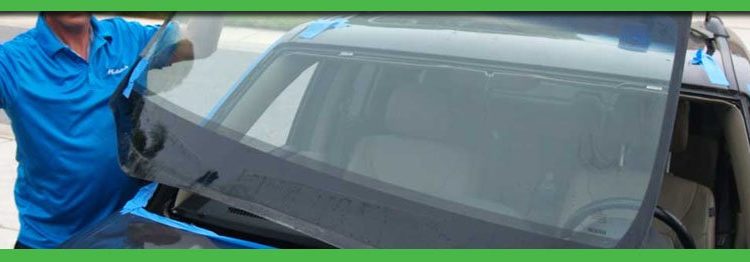
Most say they do not typically enjoy the way the tape looks, but the best option should be to wait at least a minimum of 24 hours after the installation.

The tape is a preventative measure to keep any waters or debris from entering under your window trim. This tape keeps the window still and away from any motion. Also, be sure to not slam your vehicle doors at all for at least 48 hours or so.

Due to the adhesive being “cured” or better yet, drying. Slamming your door during this process may puncture the seal. Be sure that you close your vehicle doors softly and if the weather allows you, you may slightly roll down your windows.

The tape has an obvious reason and is there to hold the glass from moving at all while the caulk sets in place. This caulk is a windshield glue, the sealant that is generally used to attach your windshield to the frame of your vehicle. Of course, as well the tape serves another purpose as it keeps out things such as rain or other materials from entering the adhesive that needs to settle.

Hotter Weather Vs Cold Conditions

When it comes to weather in Arizona, typically it is dry weather. Usually In good safe conditions to have the adhesive settle quicker than usual. Although play it safe and wait up to at least 24 hours.

In the situation where you are in colder climates typically wait upwards to around 72 hours for the adhesive to settle on your windshield. This is an important part of the process of getting your new windshield installed. Patience is a virtue so just wait and the adhesive will settle properly in the allotted time.

Avoid Having A Car Wash

While tape is still actively working its magic on your vehicle, do not take your vehicle through a car wash. Especially higher pressured car washes, these tend to cause more damage than good during this process. This will be due to the high-pressure washing system to force your glue to peel off or away which in short makes you head back to your shop to have the problem resolved yet again. On the other hand, you can easily choose to manually wash your car, and this shouldn’t cause any damages to your vehicle.


1 2 3